 Classical Dance
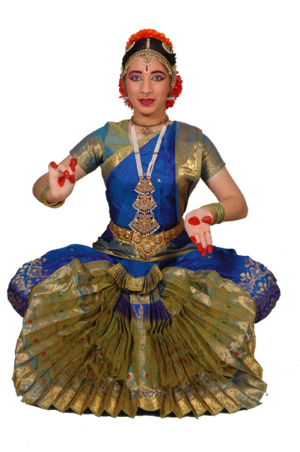
Bharatanatyam
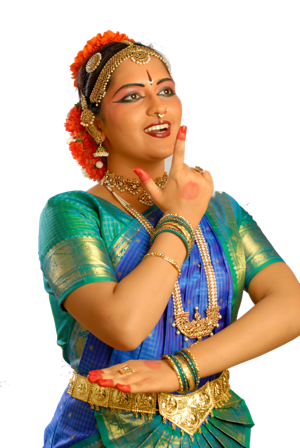
The mother of all classical Indian dance forms, originating from the sacred temples of Tamil Nadu. A complete spiritual, aesthetic and physical discipline rooted in Natyashastra.
Harmonium, Tabla, Sitar and Keyboard — our instrumental curriculum is designed for both the serious student and the cultural enthusiast. Structured practical training with certified examination pathways.
Our training program focuses on standard-aligned, authentic learning methodologies. We guide students from their first steps through advanced theory and practical modules, preparing them for stage confidence and national certifications.
Under the lineage and parameters set by our academy, each student receives close mentorship from certified teachers. Standard exercises, physical balance, timing (tala), and emotional projection (abhinaya) form the pillar of our daily training.
Students of this program are prepared for standard examinations and certifications. Our curriculum aligns with recognized boards, allowing students to earn official diplomas and academic credits.
Focused on correct posture, hand placements, clean note production, basic strokes (for percussion) or strings/key layouts, and simple rhythmic beats.
Correct hand positioning and spine alignment for Harmonium, Tabla, Sitar, or Keyboard to prevent strain.
Practicing stroke techniques (Tabla bols like Na, Tin, Ge) or clean string plucking (Sitar Da/Ra) for clear acoustics.
Basic keyboard/harmonium finger movements and scale drills to establish horizontal coordinate agility.
Familiarization with simple rhythm counts and playing strokes in synchrony with steady metronome beats.
Learning to execute structured classical compositions (Gats/Bandishes) on the instrument, along with basic accompaniment concepts.
Instrumental compositions set to rhythm cycles, focusing on steady left/right hand coordinate shifts.
Translating vocal raga scales (like Yaman, Bhupali) into plucks, strokes, or key presses with accuracy.
Rhythmic themes (Kaydas) on Tabla with structural variations (Paltas) and ending formulas (Tihais).
Developing the ear to follow a vocalist or primary instrument, maintaining basic supporting chords or beats.
Advanced training in solo performance order, complex rhythmic expansions (Taans/Jhala/Peshkar), and professional board certification examinations.
Structuring a complete instrumental performance, starting from Alaap-Jod to fast Gat and climax Jhala.
Developing ragas dynamically through Upaj, Toda variations, or complex Tabla Paltas on the spot.
Executing rapid string strokes or percussion beats with crisp sound separation and absolute control at high speeds.
Rigorous exam preparation covering tuning techniques, acoustics theory, notation writing systems, and historical musicologists.
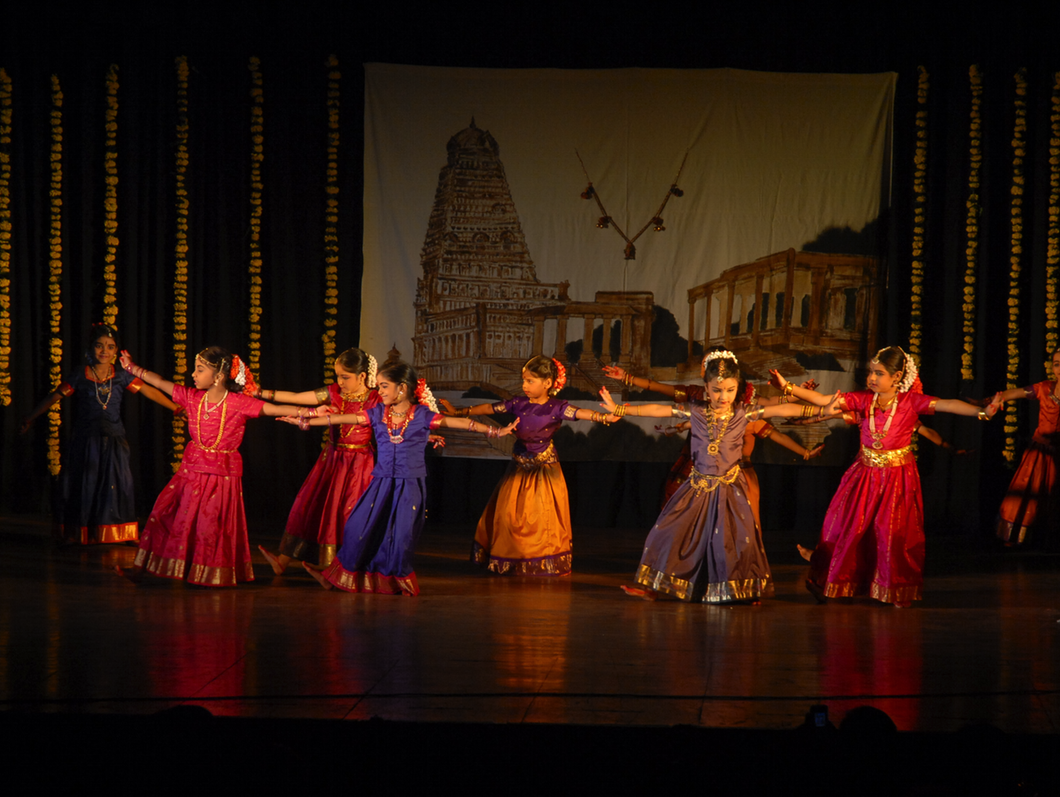
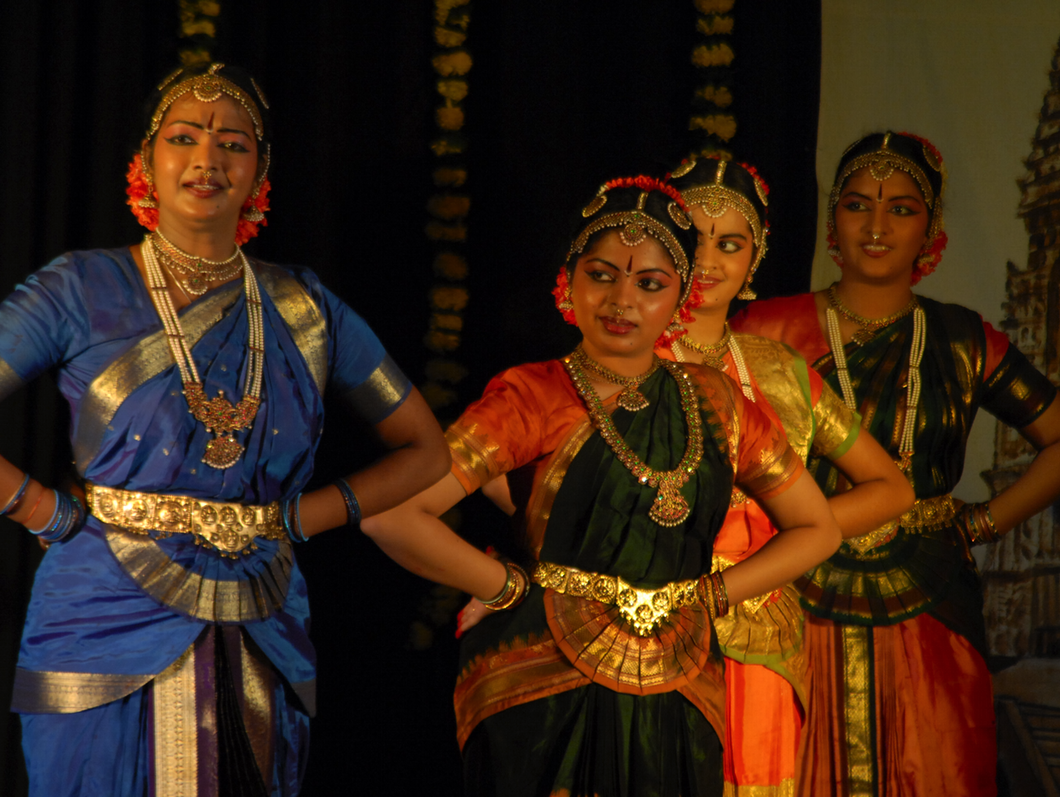
A glance at our academy students during practical showcases, group certifications, and rehearsals:
 Classical Dance
The mother of all classical Indian dance forms, originating from the sacred temples of Tamil Nadu. A complete spiritual, aesthetic and physical discipline rooted in Natyashastra.
 Classical Dance
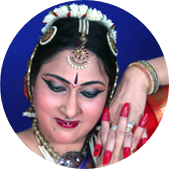
Born in the courts of the Mughals and the temples of North India, Kathak blends the rhythm of footwork (tatkar) with expressive storytelling (abhinaya) in a stunning union of power and grace.
 Music
Music
Hindustani and Carnatic vocal traditions, taught through rigorous riyaz and an understanding of raga, tala and bhava. From sur-sadhana to concert-level performance — a complete vocal journey.