 Classical Dance
Kathak
Born in the courts of the Mughals and the temples of North India, Kathak blends the rhythm of footwork (tatkar) with expressive storytelling (abhinaya) in a stunning union of power and grace.
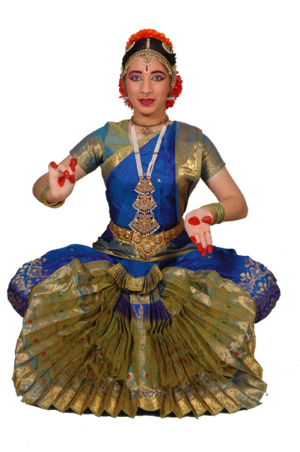
The mother of all classical Indian dance forms, originating from the sacred temples of Tamil Nadu. A complete spiritual, aesthetic and physical discipline rooted in Natyashastra.
Our training program focuses on standard-aligned, authentic learning methodologies. We guide students from their first steps through advanced theory and practical modules, preparing them for stage confidence and national certifications.
Under the lineage and parameters set by our academy, each student receives close mentorship from certified teachers. Standard exercises, physical balance, timing (tala), and emotional projection (abhinaya) form the pillar of our daily training.
Students of this program are prepared for standard examinations and certifications. Our curriculum aligns with recognized boards, allowing students to earn official diplomas and academic credits.
Focused on developing physical posture, stamp clarity, limb alignment, and fundamental coordinate movements. It builds strength, flexibility, and basic spatial awareness.
Foundational adavus including Tatta Adavu (tapping), Natta Adavu (stretching), Visharu Adavu, and Kuditta Mettu (jumping).
Complete memorisation and practice of 28 Asamyuta Hastas (single-hand) and 24 Samyuta Hastas (double-hand) from Abhinaya Darpana.
Mastering Araimandi (half-sitting posture), Muzhumandi (full-sitting), and maintaining straight spine alignment during transitions.
Introduction to Carnatic rhythm cycles, vocalising and dancing to Adi Tala (8 beats) and Rupaka Tala (3 beats).
Introducing complex step combinations, initial expression elements, and solo repertoire items. Focuses on coordinate execution of body lines and hand gestures.
Learning advanced adavus: Sarikal Adavu, Jati Adavu, Mandi Adavu, and Kathi Adavu, executing them across three speeds.
Sanskrit shlokas and implementation of Shiro Bheda (head), Drishti Bheda (eye gaze), and Griva Bheda (neck movements).
Beginning of the Margam performance order, training in Alarippu (Tisra/Caturasra) and devotional Kautuvam items.
Recitation of rhythmic syllable structures (Solkattu) with hand-claps while simultaneously maintaining steady tempo.
Complete study of Margam items, advanced abhinaya, and stage presence. Prepares students for official certifications, solo arangetrams, and teaching pathways.
Comprehensive training in Jatiswaram, Shabdam, Varnam (complex combination of nritta and abhinaya), Padams, and Tillanas.
Advanced abhinaya exploring the nine central emotions (Shringara, Veera, Karuna, Adbhuta, Hasya, Bhayanaka, Bibhatsa, Raudra, Shanta).
Practical dance composition, study of historical texts like Natyashastra and Abhinaya Darpana, and stage setup concepts.
Rigorous preparations for Gandharva Mahavidyalaya or board examinations, including comprehensive theory, oral viva, and practical assessments.
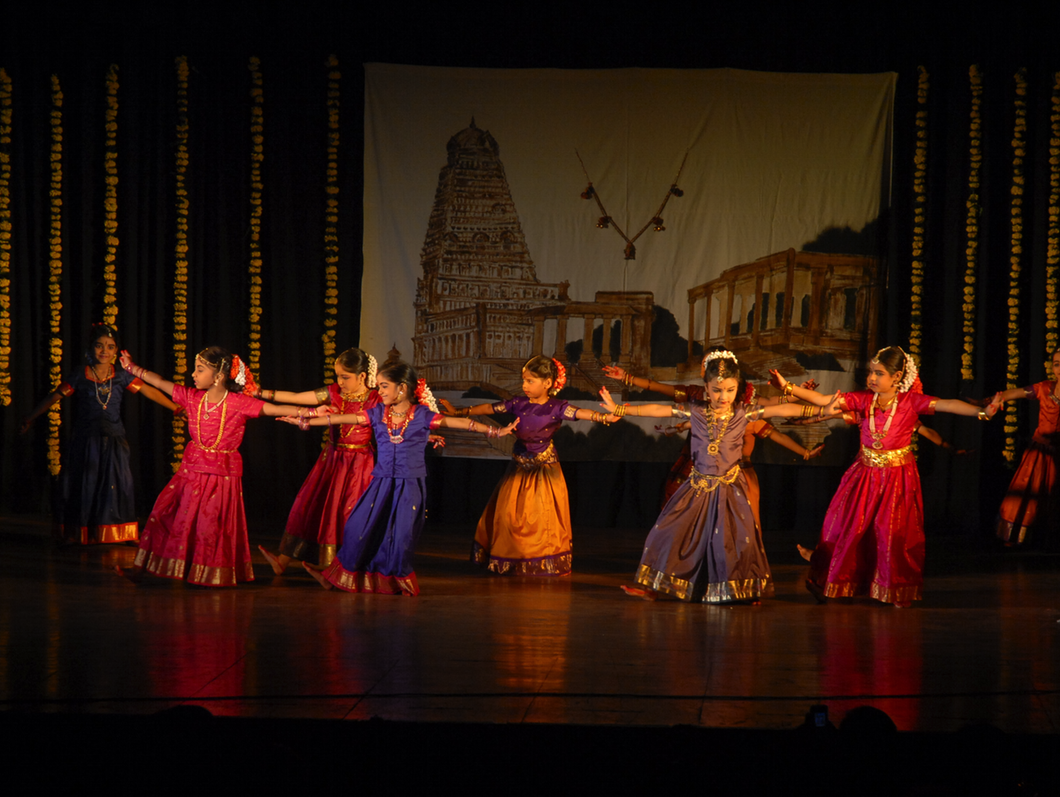
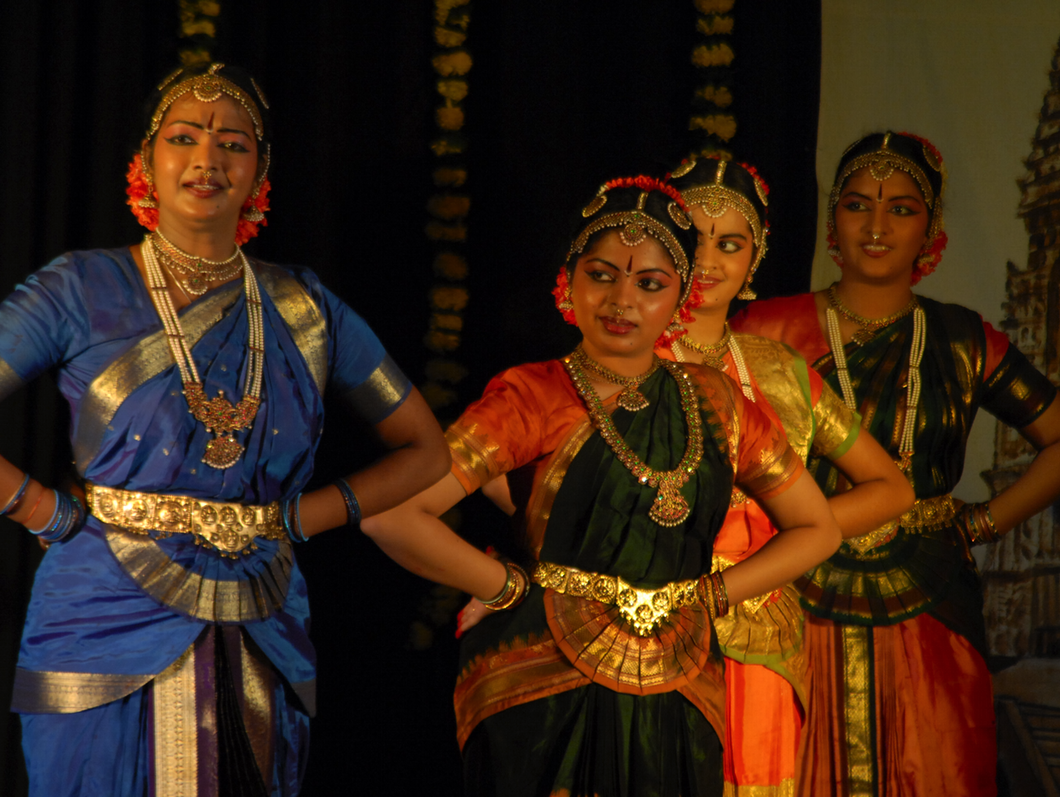
A glance at our academy students during practical showcases, group certifications, and rehearsals:
 Classical Dance
Born in the courts of the Mughals and the temples of North India, Kathak blends the rhythm of footwork (tatkar) with expressive storytelling (abhinaya) in a stunning union of power and grace.
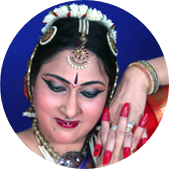 Music
Music
Hindustani and Carnatic vocal traditions, taught through rigorous riyaz and an understanding of raga, tala and bhava. From sur-sadhana to concert-level performance — a complete vocal journey.
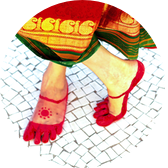 Instrumental
Harmonium, Tabla, Sitar and Keyboard — our instrumental curriculum is designed for both the serious student and the cultural enthusiast. Structured practical training with certified examination pathways.